

We'll discuss your goals, current challenges, and how our process can help to drive real business growth.
SEO
The Ultimate Guide to A Successful B2B SEO Strategy
Taher Batterywala
December 4, 2025
15 min
TABLE OF CONTENTS
B2B SEO isn’t just nice to have anymore. It’s the backbone of how modern buyers discover and trust brands. And we’ve got the numbers to prove it.
57% of B2B marketers say SEO is their top lead driver. Even more impressive? It delivers 34% of all qualified leads in B2B industry. And that’s not coming from fluffy listicles or generic blog posts. It’s the result of targeted, buyer-led search journeys that start with real intent and end up in a sales pipeline.
In a market where organic visibility can make or break your sales goals, investing in B2B SEO services is the wise choice.
But ranking is just one piece of the puzzle. To win, you need a B2B SEO strategy that connects search behavior with buying behavior.
In this guide, we will show you exactly how to build it, step by step. From personas to keywords, from content to links, and everything in between. Let’s dive right in.
TL;DR
A successful B2B SEO strategy connects long-tail, buyer-specific search terms to conversion-focused content and technical precision. Here’s what you need to build one:
1. Define clear buyer personas and map their search intent
Understand who’s searching, what they care about, and how their queries change from awareness to decision stage.
2. Target low-volume, high-intent keywords
Use long-tail, low-volume terms that signal buying intent and map them to each stage of the funnel.
3. Use pillar-cluster approach for content and optimize on-page SEO
Anchor your strategy around a core topic like “B2B SEO strategy” supported by deep-dive subtopics and optimized on-page SEO.
4. Perform technical SEO fixes
Fix crawl issues, boost page speed, and implement schema so search engines (and AI assistants) can parse and rank your content.
5. Build niche-specific backlinks and track performance
Focus on quality link building, monitor keyword-to-lead performance, and adapt your strategy quarterly based on real business impact.
These steps serve as a blueprint to create a B2B SEO strategy that drives qualified traffic, builds pipeline, and helps to scale organically.
Here’s a step-by-step B2B SEO strategy you can use to outrank your competitors and drive real pipeline impact:
Step 1: Define Your B2B Buyer Personas and Funnel
A good B2B SEO strategy starts with knowing exactly who you’re trying to reach.
Your buyer persona isn’t just a job title. It’s a snapshot of real decision-makers: their goals, pain points, company size, buying triggers, and what they type into Google when nobody’s watching.
A high-impact B2B SEO strategy starts with mapping roles to buying behavior. Are you targeting a decision-maker, influencer, or gatekeeper? Each of them searches differently.
For example, a VP of Marketing might Google “SEO ROI benchmarks” while a Marketing Ops Manager types “how to integrate GA4 with Looker Studio.”
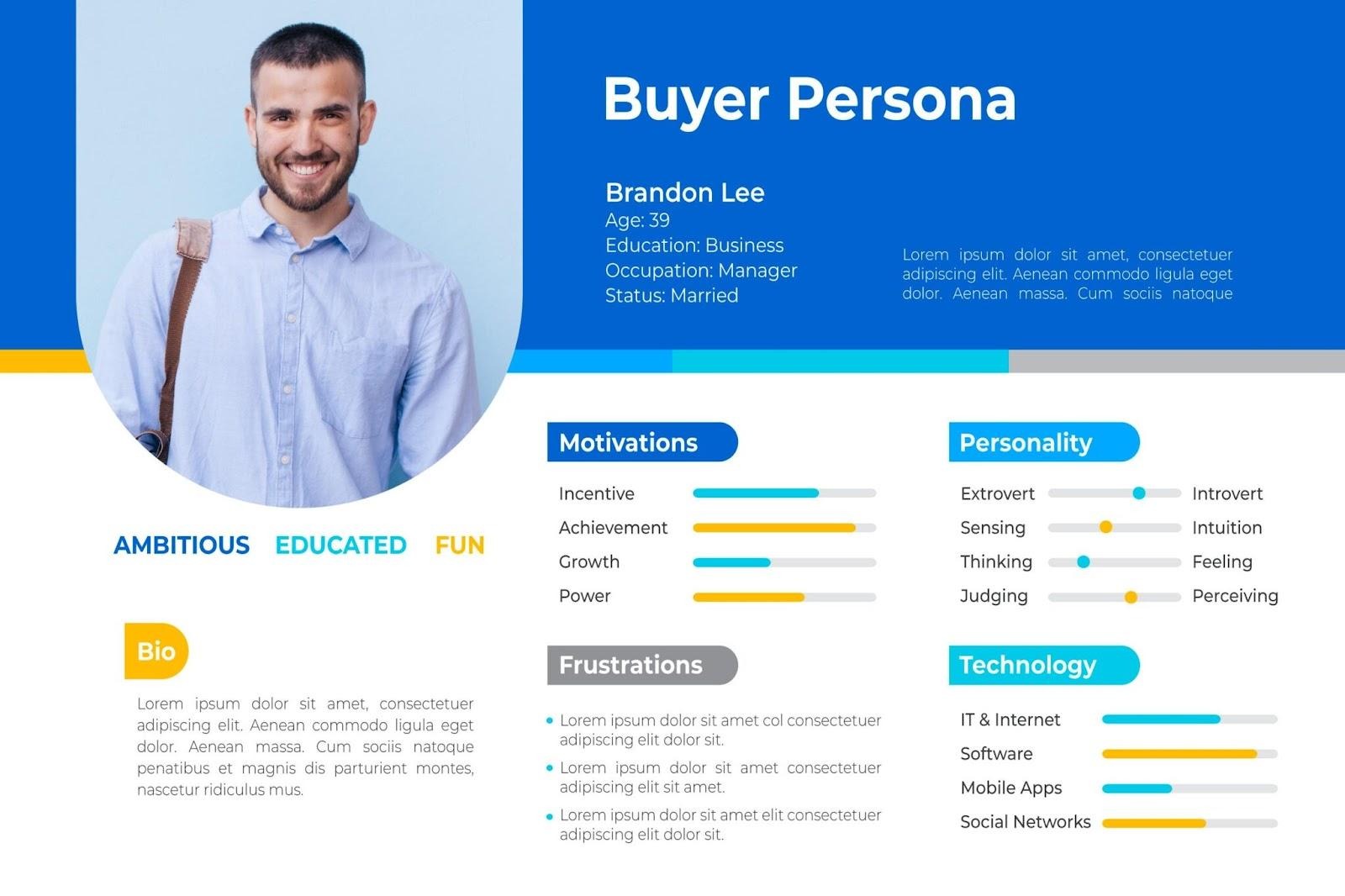
Follow these steps to build actionable, SEO-focused B2B personas:
1. Map buyer roles to search behavior
Not every visitor on your site has the same level of influence. Identify if they’re a decision-maker, influencer, or gatekeeper. This shapes what they search, how they evaluate content, and where CTAs should point.
Let’s assume that you are preparing a persona for a finance and accounting automation platform. You can then categorize as follows:
- Decision-makers (e.g., CFOs, VPs of Finance) focus on outcomes like cost reduction, compliance, and reporting accuracy. They might search for “automated AP solutions for finance teams” or “ROI of finance automation software.”
- Influencers (e.g., controllers, accounting managers) care about workflow efficiency and integration with existing tools. Their queries might include “how to automate invoice approvals in NetSuite” or “reconciliation automation tools for mid-size businesses.”
- Gatekeepers (e.g., IT leads or procurement managers) evaluate security, vendor compliance, and onboarding time. Expect searches like “SOC 2 compliant finance automation vendors” or “implementation timeline for AP automation.”
Tailor your content and CTAs to the role. Decision-makers want strategic value, influencers need functional clarity, and gatekeepers look for trust signals.
2. Layer in firmographics
Firmographics define the context of the buyer’s environment. A Head of Marketing at a 50-person SaaS startup is facing different problems than one at a 2,000-person enterprise.
Include these variables in your persona building:
- Company size: Smaller companies tend to search for scalable, DIY, or cost-effective solutions. Enterprises look for security, integration, and compliance.
- Industry: A fintech company might search “SEO compliance checklist for financial services,” while a healthtech brand may ask “HIPAA-friendly SEO tools.”
- Growth stage: Early-stage startups search for tactics to gain visibility fast. Mature businesses focus on consistency, measurement, and optimization.
These details affect the language buyers use, the depth of content they expect, and how technical or strategic your messaging needs to be.
3. Mine internal insights
Your customer-facing teams already have the raw material you need for strong personas. You just have to collect and document it.
Start by interviewing sales reps, support agents, and success managers. Ask:
- What questions come up most in calls?
- What objections delay deals?
- What competitors are mentioned?
- What exact words do buyers use when describing their problem?

Supplement those insights with tools:
- CRM & call transcripts: Use AI or manual reviews to identify repeated patterns.
- Support tickets: These often contain raw, unfiltered questions straight from users.
- On-site search data: Shows what visitors are looking for once they’re on your site.
Look for repeat phrases, emotional language, or misconceptions. These are the gold you’ll use to shape your messaging and keyword targets.
4. Match search behavior to funnel stages
Understanding which stage of the funnel a buyer is in helps you target them with the right keyword, content format, and CTA.
Awareness Stage (Top of Funnel)
At this stage, buyers are problem-aware but solution-agnostic. They’re asking broad questions and looking for educational content to understand their challenge.
Typical queries would be:
- “Why is invoice processing so time-consuming?”
- “What is accounts payable automation?”
- “How to reduce manual finance tasks”
What to do:
Target informational keywords. Create blog posts, explainer videos, and downloadable guides. Avoid pitching your product here; rather, focus on earning trust and establishing topical authority.
Consideration Stage (Middle of Funnel)
Here, buyers are evaluating different approaches or frameworks. They’re comparing tactics and may be shortlisting solutions.
Typical queries may include:
- “Top AP automation tools for mid-market companies”
- “Invoice approval workflow in NetSuite”
- “Checklist for automating monthly close process”
What to do:
Target mid-intent keywords. Publish detailed how-to guides, templates, use cases, and product-led content. Introduce your solution subtly as one of the possible answers, without hard selling.
Decision Stage (Bottom of Funnel)
Buyers are close to making a decision. They want comparisons, social proof, and clarity on implementation.
Typical queries would look like:
- “Best payments automation platform for SaaS companies”
- “[Your product] vs [competitor] AP software”
- “Implementation timeline for accounts payable automation”
What to do:
Target high-intent, solution-aware queries. Use product comparison pages, case studies, pricing breakdowns, and calculators. CTAs should lead to demo bookings, trials, or direct contact.
Pro Tip: Build personas around actual use cases
Example: A demand gen manager at a mid-sized SaaS firm searching “enterprise keyword research tool” or “SEO content ROI template.”
You can leverage ChatGPT OR Perplexity to generate detailed buyer personas by keying in this prompt:
Act as an experienced B2B content strategist who deeply understands SEO, customer segmentation, and persona development. I want you to help me create detailed buyer personas that align with a B2B SEO strategy. The personas should reflect the real-world behaviors, goals, challenges, and content consumption habits of decision-makers and influencers across the buying committee. Each persona should include job title(s), industry, pain points, SEO search intent, preferred content formats, decision-making triggers, and where they typically sit in the marketing funnel.
Begin by asking me targeted questions to narrow down the business context, audience, and SEO goals. Once you have the information, generate 3–5 distinct personas that would guide content strategy and keyword targeting for B2B SEO campaigns.
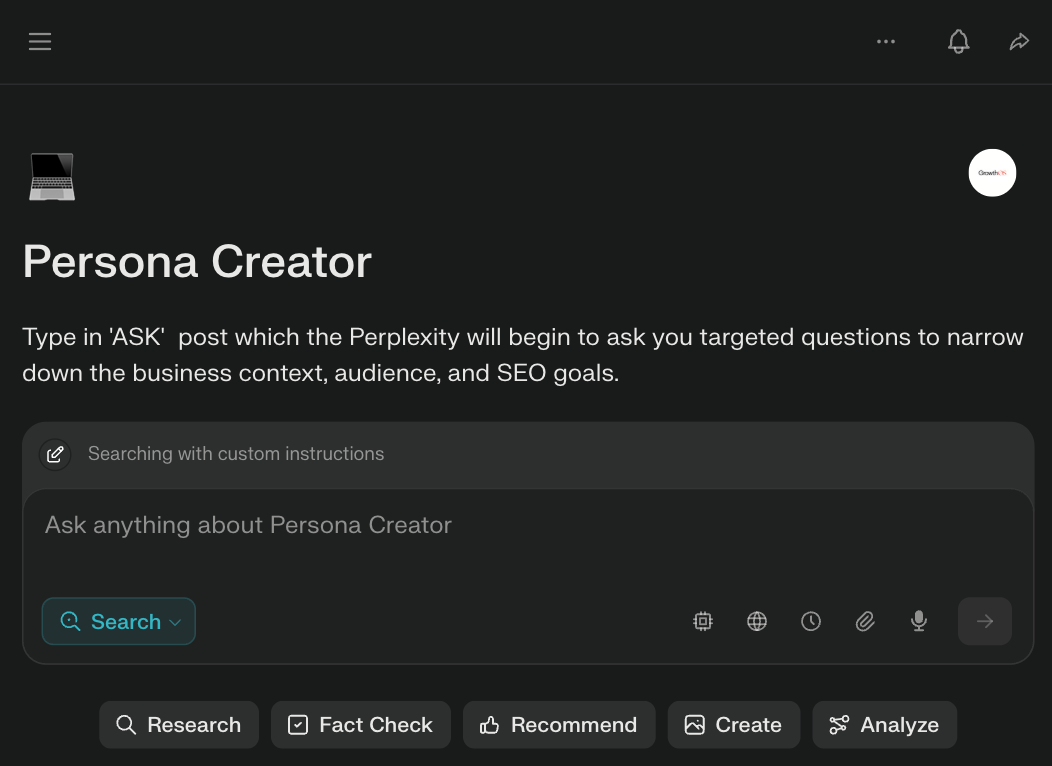
At GrowthOS, we have prepared our own Perplexity space ‘Persona Creator’ to strategically define the Idea Customer Persona for our clients.
Once you’ve nailed the “who” and “why,” you’re ready to figure out what they’re actually searching for, and how often.
Step 2: Tactical Keyword & Search Intent Research
B2B keyword research is more about identifying high-intent moments and matching them with useful content rather than chasing traffic.
In fact, over 94% of keywords have fewer than 10 monthly searches, but those are often the ones that drive real business outcomes.
Here’s how to approach keyword research with precision:
1. Use tools, but anchor in buyer problems
Ahrefs, Semrush, and similar tools are useful, but only if you start with buyer pain points. A query like “recruitment automation for tech hiring” is more valuable than “recruitment trends.” It tells you exactly what the buyer is trying to solve.
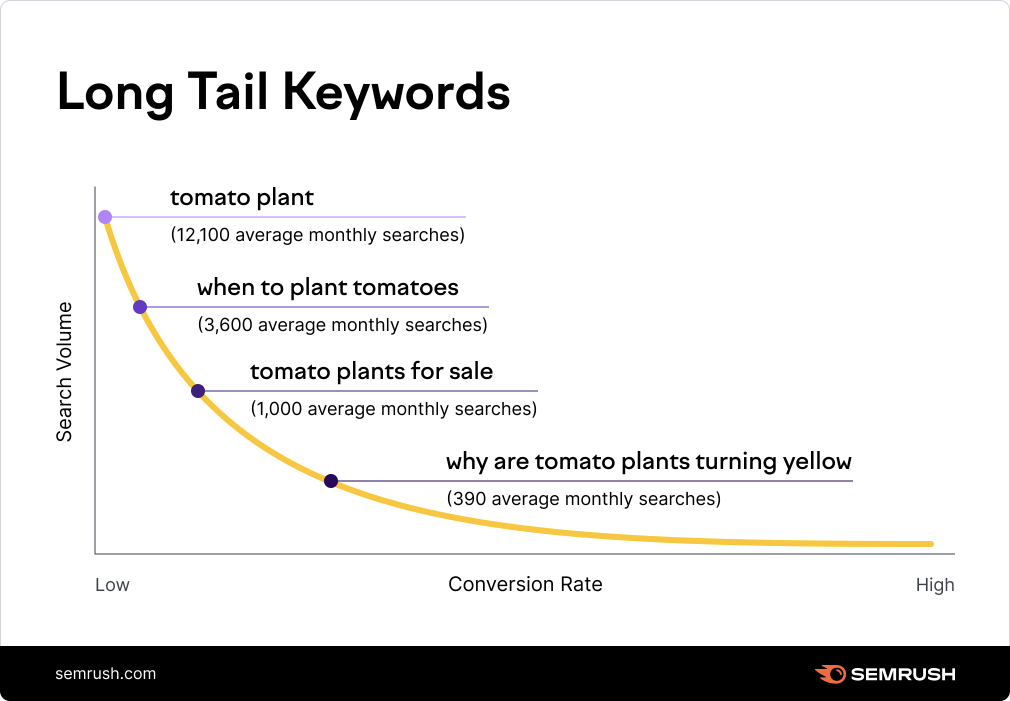
2. Prioritize low-volume, high-intent phrases
Don’t skip terms just because they barely register in your keyword tool. Someone searching “HIPAA compliance checklist for healthtech startups” may be deep in vendor evaluation mode, and one carefully planned page can turn that visitor into a lead.
Another important thing to note is LLMs are already influencing search behavior. People now type full questions into AI tools and expect summarized, cited answers.
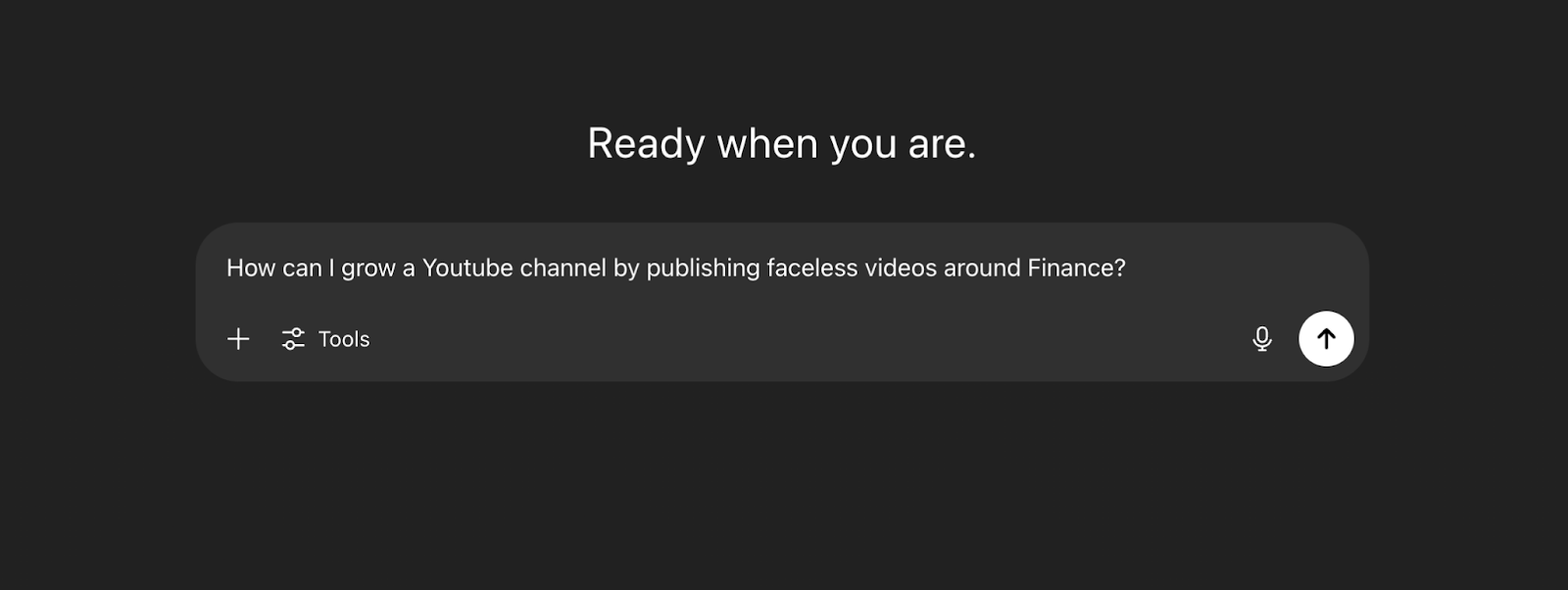
To rank in AI Overviews or assistant responses, your content needs to answer questions clearly and include structured data like FAQ schema, how-to markup, and definition boxes, which include a particular query-related keyword.
3. Map keywords to funnel stages
When you align keywords with the buyer funnel, it strengthens your strategy. Here are some industry-specific examples:
Recruitment Platform
- Top/Mid-funnel: “how to build a career page that converts”
- Bottom-funnel: “best recruitment software for tech hiring”
Insurance Tech
- Top/Mid-funnel: “automated claims processing explained”
- Bottom-funnel: “compare insurance automation platforms for brokers”
Tools like ChatGPT and Perplexity help you to map out all the relevant keywords for all the stages of the marketing funnel. Here’s a sample to get it done:
Create a list of 30 related keywords for the base keyword {keyword}. Split them under TOFU, MOFU, and BOFU categories. TOFU topics must address the ‘what is’ search intent, MOFU topics must answer the ‘How to’ search intent, and ‘BOFU’ topics must have at least one of these words – ‘software, platform’, system, tool’. Put it in a tabular format in 2 columns: Funnel stage and keywords. Group each funnel stage keywords in a single row, meaning all TOFU keywords should appear in a single row, and so on for the other two stages MOFU and BOFU. Each keyword should be separated by a line break.
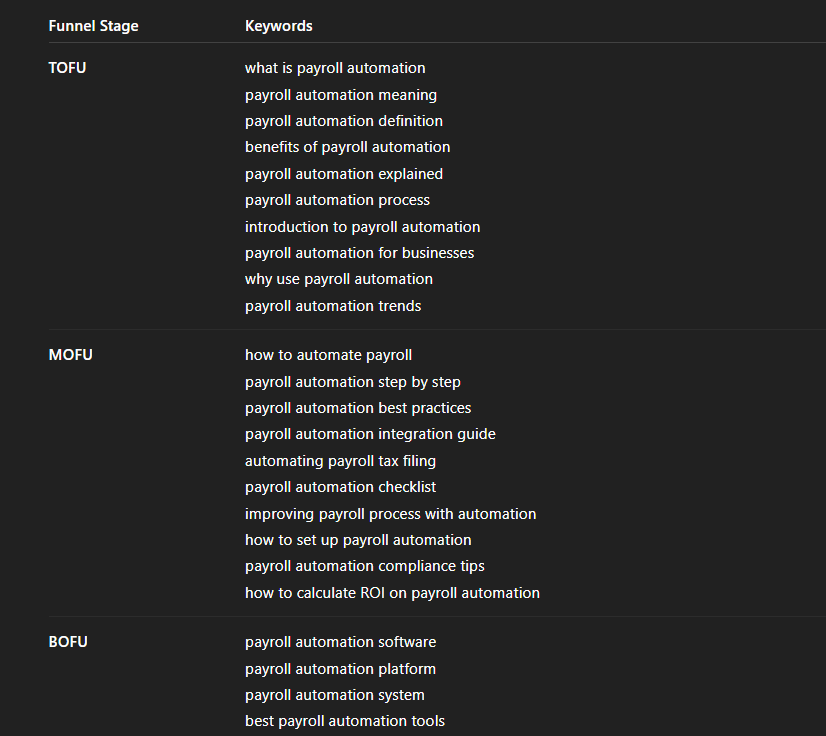
This catalyzes your keyword research process, and you can then feed these keywords into tools like Ahrefs or Semrush to check keyword difficulty, volume, and other metrics. It will also show you further related keywords, which you can add to the keyword research document.
4. Analyze SERPs for content format cues
Check what’s ranking. Are you seeing listicles, templates, case studies, or solution pages? That tells you how Google interprets intent and what format your content should follow.
5. Spot gaps through competitive analysis
Review what competitors are ranking for, and more importantly, what they’re missing. For example, if top insurance tech companies have articles on “automated claims processing” but none explain how it improves “first notice of loss (FNOL) response times” for specific niches like auto or property insurance, that’s a content gap. It’s a high-intent topic with clear business impact, and owning it could position your solution as the smarter choice.
6. Extract insights from social media and forums
Search queries often start as questions or frustrations shared online. Spend time on X threads, LinkedIn comments, Quora answers, and Reddit discussions within your industry. These platforms surface real buyer questions, objections, and emerging topics, often before they show up in keyword tools. This is your chance to spot long-tail opportunities and content gaps your competitors aren’t tracking yet..
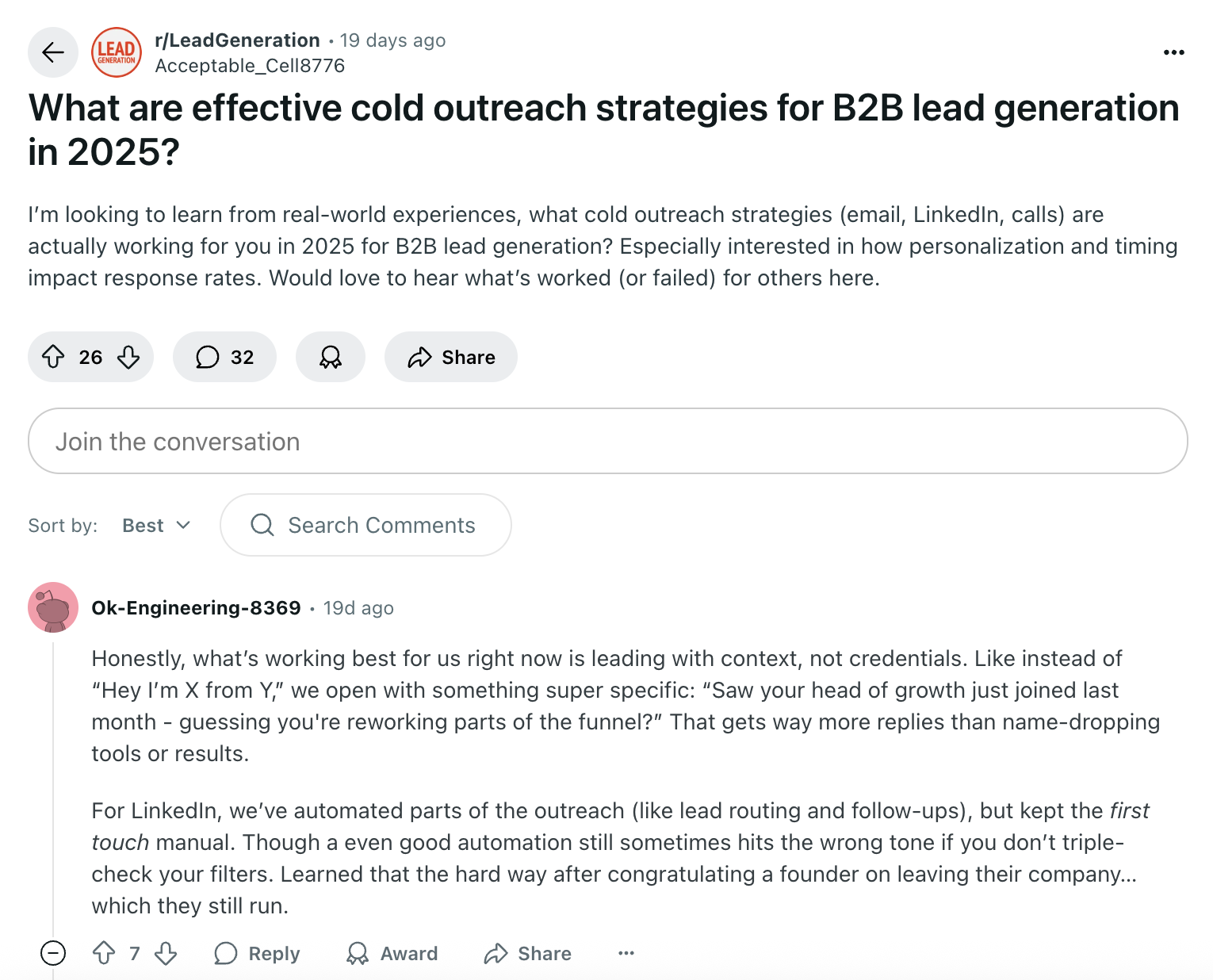
These keywords become the raw material for content that ranks and resonates. Now it’s time to build out that foundation with structured, search-optimized content that speaks directly to your ideal buyer.
Here’s a quick story of our partner, Porcellia, run by Ritesh D Ritelin, they generated an incredible ₹3.5 crores in revenue through Reddit alone. Here’s how:
Porcellia’s founder and his team at Manzuri didn’t just use Reddit as a traffic source, they turned it into a revenue powerhouse by engineering authentic engagement through insightful AMAs, sharing credible product stories, and building trust with Reddit’s “superuser” audience.
By fostering transparency and deep community interaction, Manzuri attracted its ICP, collected critical feedback to refine their products, and sparked a self-sustaining loop where engaged Redditors became committed advocates and repeat buyers.
Step 3: Build Content Pillars and On-Page SEO
Keyword research is only useful if it leads to clear, focused content. Organize your keywords into core topics and supporting subtopics. Then create content hubs that help users find answers and guide them through the funnel.
1. Start with a pillar-cluster model
Your pillar page is the backbone of your SEO strategy. It targets a core business keyword and gives readers a comprehensive overview of that topic. Think of it as the “anchor” page for a major theme your audience deeply cares about.
But that’s just the starting point. Surround this pillar with cluster pages: targeted articles, guides, or tools that dig deeper into subtopics, answer long-tail questions, or address specific use cases. These clusters link back to your pillar (and vice versa), creating a strong internal linking structure that signals topical depth to search engines.
There are three types of pillar pages you can build, depending on your content and business goals:
- 10x content pillar page: A long, authoritative guide (like this one) designed to cover a broad topic better than anything else online. Ideal for top/mid funnel traffic.
- Resource pillar page: A curated list of tools, links, or internal resources around a focused theme.
- Product or service pillar page: Built around your core solution, answering key questions prospects might ask before buying or booking a demo.
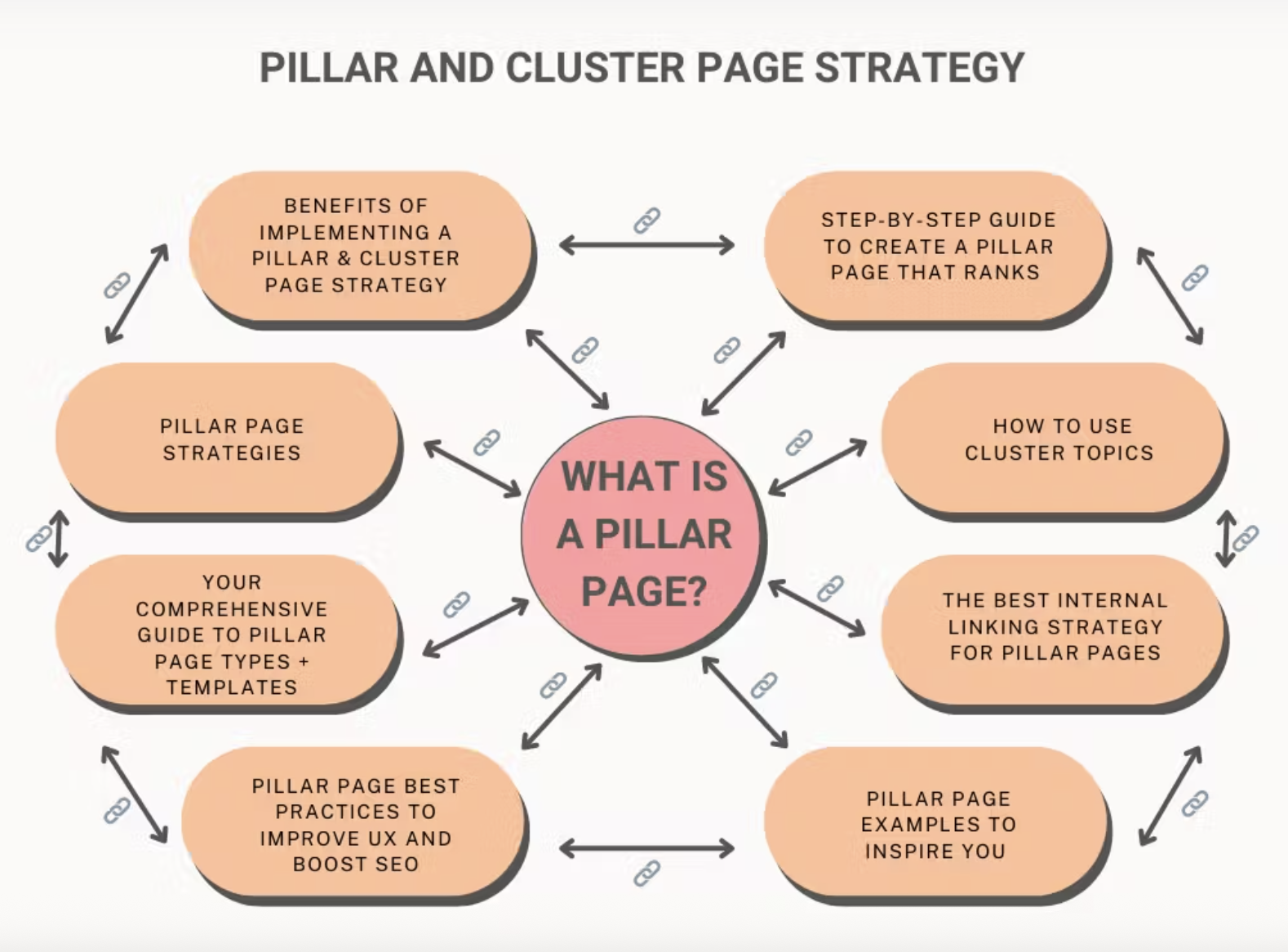
With AI dominating the search results, it’s imperative that your content is parsed, summarized, and served up by AI systems. That means the way you build your pillar and cluster strategy needs to adapt.
To be featured in AI Overviews and voice-assistant results, your content has to be:
- Cohesive: AI pulls from clear topic structures. A strong pillar page that links internally to focused cluster pages helps establish you as a domain expert in that niche.
- Context-rich: LLMs favor content that offers definitions, examples, comparisons, and clear takeaways. Thin, surface-level posts won’t cut it anymore.
- Structured semantically: Use H1s, H2s, lists, and short Q&A blocks that AI agents can easily parse and repackage into answers.
- Machine-readable: Add schema (FAQ, HowTo, WebPage, etc.) to help AI systems understand what your page is about and when to surface it.
2. Follow on-page SEO fundamentals that still matter
On-page SEO is all about helping search engines and readers quickly understand what your page is about.
The basics still work, and in B2B, where decision-makers often scan rather than read in-depth, clarity wins.
Things to focus on:
Use clear, readable URLs with your focus keyword
Keep your URLs short, readable, and focused.
Example:/seo-audit-checklist is better than/index.php?page=342&type=article.
Optimize meta titles and H1s with semantically related terms
Your title tag should include your primary keyword, but don’t force it. Tools like Clearscope and Surfer SEO can help you naturally add context terms that reflect how users actually search.
Write in plain English
You’re solving for real-world problems, and not writing a lengthy research paper. So get rid of jargons and complex sentences.
Say “How to avoid common SEO mistakes” instead of “Avoidance of on-page optimization errors”
Add stats and examples early to build trust fast
B2B readers are skeptical by default. Open with relevant data, benchmarks, or mini case studies to show you know what you’re talking about.
Structure your content for AI and humans
Use proper heading tags (H2, H3), short paragraphs, bullet points, and schema markup (like FAQ or HowTo) where applicable.
With generative AI influencing search results, structured, scannable content is more likely to be picked up in AI overviews and voice queries.
3. Choose the right content format for the funnel
Not everything should be a blog post. Match your format to the buyer’s stage and intent:
- Mid-funnel, product-led content: “How to streamline candidate screening using [Recruitment Tool Name]”
- Bottom-funnel case studies: “How Company X reduced time-to-hire by 35% using automated interview scheduling”
- Interactive templates: Job description templates, interview scorecards, hiring workflow planners
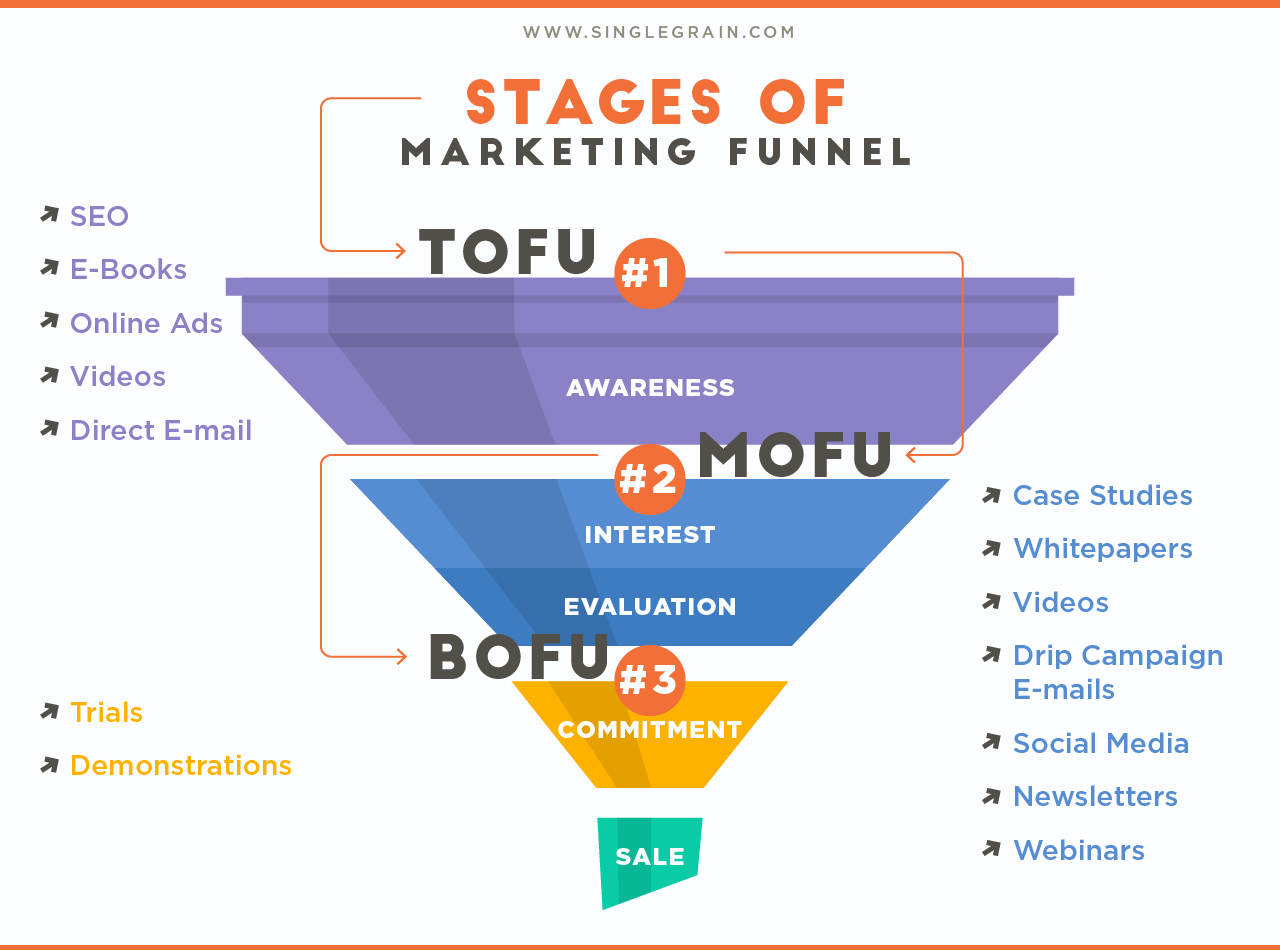
This structure not only improves rankings, it keeps readers moving through your site, building trust with every click.
But strong content alone isn’t enough. You need technical foundations and external signals to prove your site deserves to rank. Let’s dig into that next.
Step 4: Run a Technical SEO Audit and Implement On-Site Fixes
Before Google can rank your content, it needs to access, understand, and index it correctly. That’s where technical SEO comes in. From crawl errors to missing schema, these invisible blockers can quietly tank your rankings and user experience, no matter how good your content is.
Checks you need to perform:
HTTPS:
Every page on your site should load securely. If your URLs still default to HTTP, fix that now.
Crawlability:
Ensure your site has a clean XML sitemap and no broken pages (404s). Use tools like Screaming Frog or Sitebulb to crawl your domain and spot indexing issues. You can also do the same by using Google Search Console.
Mobile-friendliness:
With mobile now dominating research behavior (even in B2B), your website and pages should load fast, resize fluidly, and offer intuitive tap targets.
Site speed:
Compress images, use lazy loading, and cut bloated scripts. Even a 1-second delay in load time can hurt engagement and rankings.
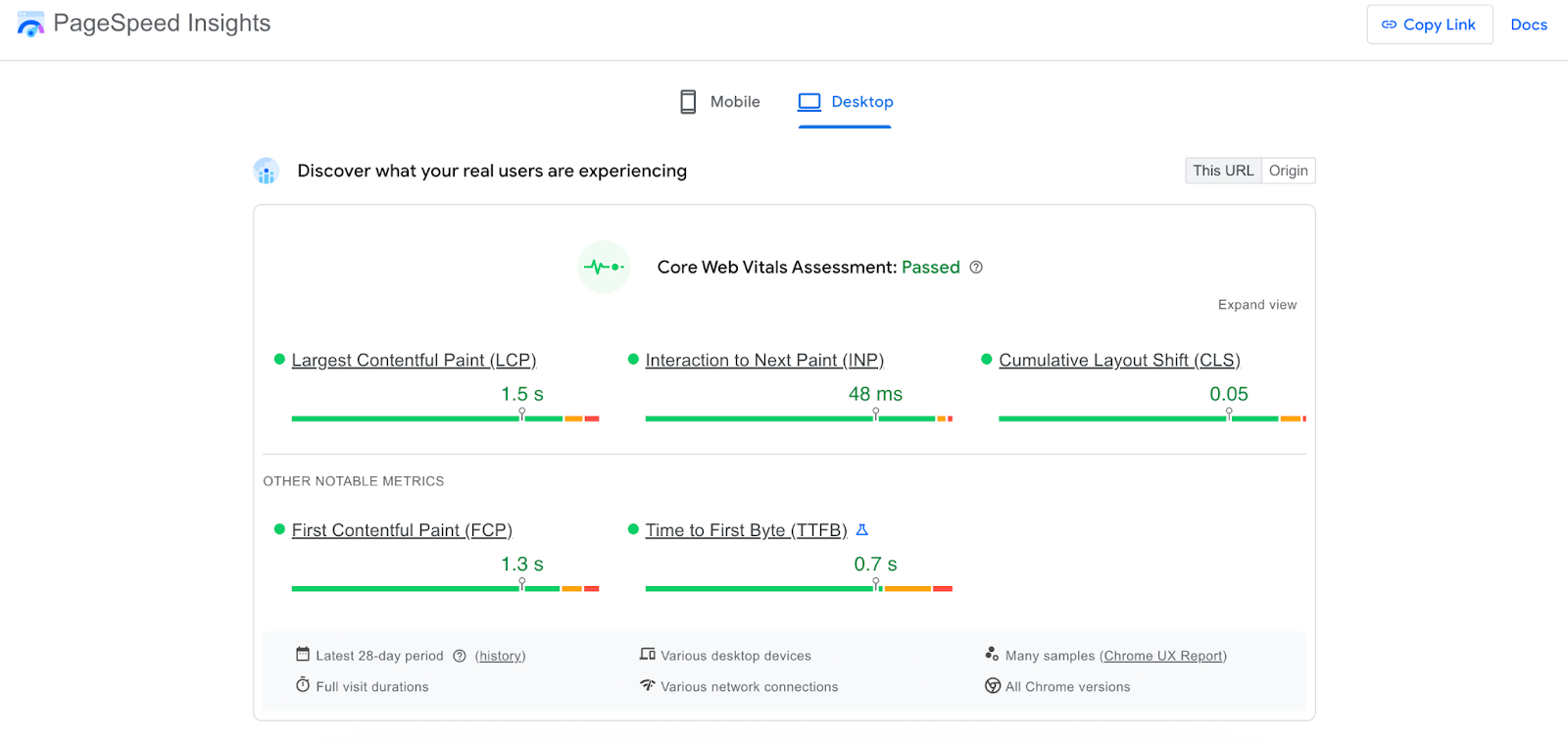
Apart from these, it’s highly recommended to enable AI agent access with llms.txt
Just like robots.txt controls crawler access, the emerging llms.txt standard allows you to control which AI models can use your content for training or retrieval.
Place llms.txt at the root of your site with rules for specific LLMs. For example:
User-Agent: GPTBot
Allow: /
User-Agent: ClaudeBot
Disallow: /premium-content/
This can help you manage visibility, attribution, and even licensing preferences in an AI-dominated search landscape.
Fixes that will make a real difference:
- Repair broken internal and outbound links
- Optimize your page speed and reduce server response time
- Add schema markup to blog posts, product pages, and reviews
- Use structured data so AI agents and search crawlers can better understand your site
- Strengthen internal linking between your pillar and cluster pages to pass authority
A clean, fast, secure, and structured site gives your content the foundation it needs to rank and convert.
Once your site is technically sound, it’s time to build the authority signals that push you to the top i.e. high-quality backlinks.
Step 5: Off‑Page SEO and Link‑Growth Strategy
Even the most optimized content won’t get far without backlinks. In B2B SEO, links help to build authority, brand credibility, and getting found in the right circles.
Backlinks act as trust signals. A mention from a respected industry publication or a link from a partner’s blog tells search engines (and your buyers) that your content is worth paying attention to.
Follow these best practices to gain quality links from top domains:
1. Prioritize relevance over volume
One contextual link from a blog your ICP actually reads carries more weight than dozens of low-quality backlinks.
Focus on sites your buyers visit during research like comparison tools, niche SaaS review sites, or partner blogs. These links drive both SEO value and qualified referral traffic.
2. Use proven, white-hat tactics
Don’t chase shady link swaps or low-tier directories unless you want to be penalized by Google. It’s always advisable to stick to proven white-hat link building methods like:
- Guest posts that offer original insights, published on respected blogs in your vertical.
- Expert roundups where you contribute quotes or strategies that get cited by others.
- Niche resource links, like curated tools, checklists, or template directories, where your product or content fits naturally.
- Digital PR, using data studies, surveys, or trend reports to earn links from media and industry publishers. Tools like Journo.com come in handy for acquiring links on reputed media outlets.
- Product-led content such as ROI calculators, playbooks, or case studies that solve real problems. These naturally earn links from partners, analysts, and even customers.
3. Keep an eye on your link profile
Avoid just tracking vanity metrics like DR and traffic. Use tools like Ahrefs or Semrush to monitor:
- Referring domains (RD): how many unique sites link to you.
- Linked domains (LD): unique domains that a target website links out to.
- RD to LD ratio: a high number of links from a few domains looks spammy.
- Do-follow vs no-follow ratio: No follow links don’t pass link equity. And having too many of them can dilute authority. Maintain a healthy balance of do-follow and no-follow links. Most SEO and link-building professionals recommend a dofollow to nofollow link ratio of 60:40 or 70:30.
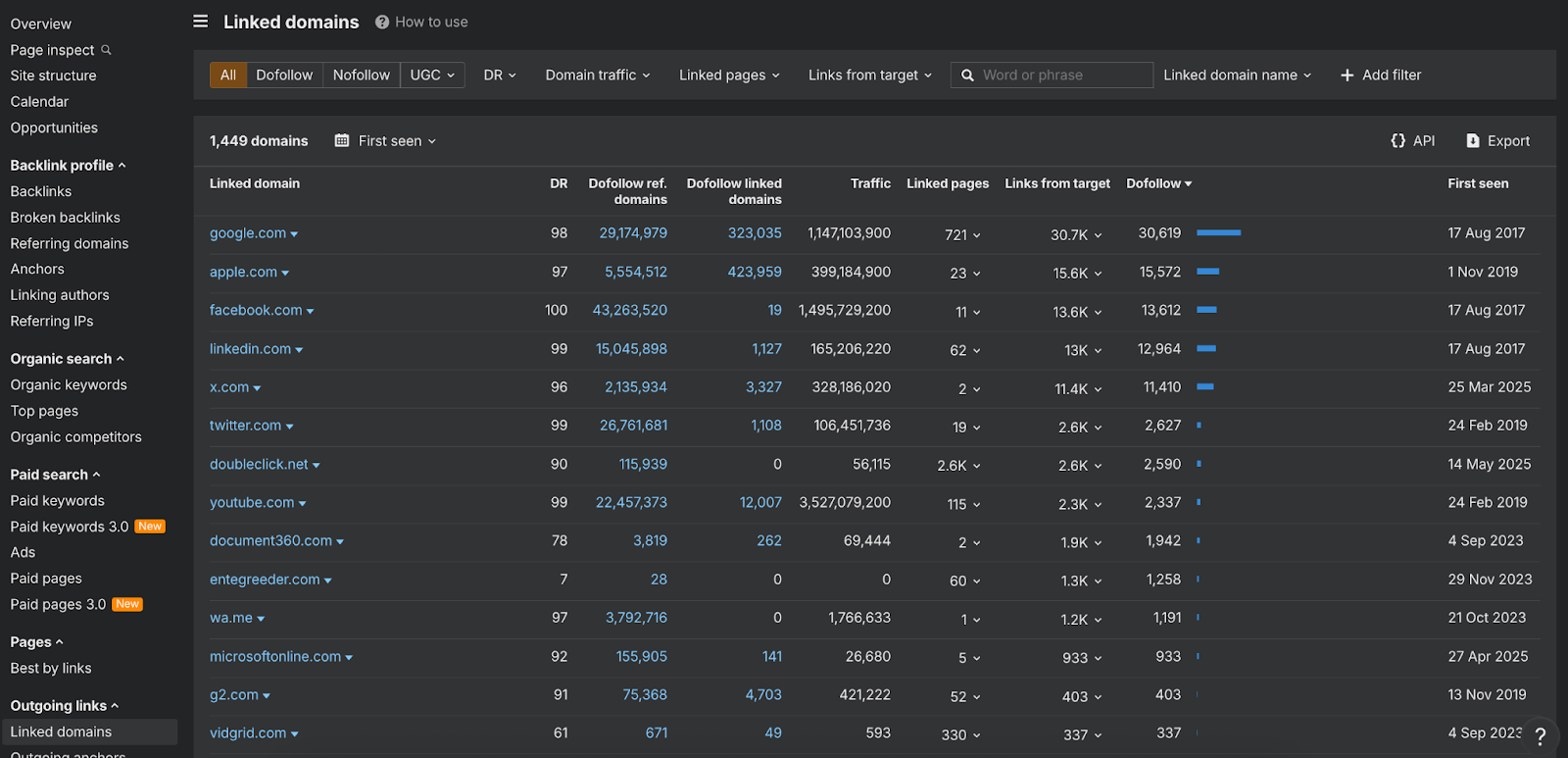
Done right, link-building supports everything you've created so far helping your pillar pages rank, your brand stand out, and your traffic convert. But to prove it’s working, you’ll need to measure what matters and iterate from there.
Step 6: Tracking KPIs and Iterating
In B2B SEO, surface metrics like rankings and traffic only tell part of the story. What really matters is whether those clicks turn into qualified leads and contribute to the bottom line. That’s why tracking the right KPIs is non-negotiable.
Start with performance metrics that matter:
- Organic sessions from high-intent pages
- Ranking improvements for your core and cluster keywords
- Top pages with high CTR and conversion rates
But that’s just the basics. With AI reshaping how people search, there’s a new layer of metrics worth paying attention to:
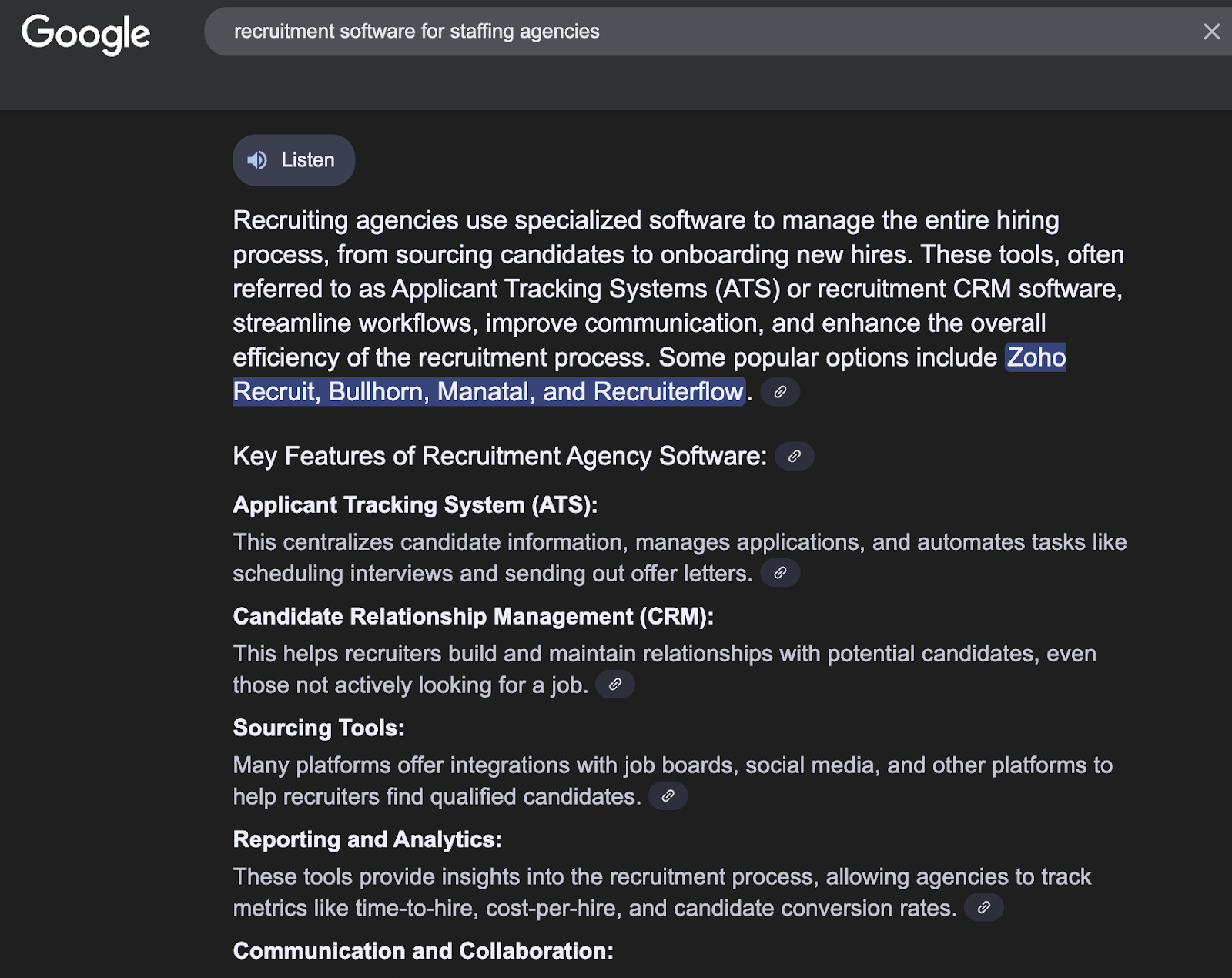
- AI Overviews: Is your content being cited in AI-generated summaries on Google?
- Voice and assistant search: Track if your FAQs or snippet-optimized content surfaces in voice results
- Mentions by AI agents: Use tools like SparkToro or BuzzSumo to catch unlinked brand mentions in AI-generated responses
Run quarterly content audits
Even great content gets stale. Update underperforming or outdated posts with fresh stats, clearer structure, and more targeted intent. Repurpose blog posts into templates, checklists, or visual explainers.
- Add updated examples and data
- Rewrite intros to match current buyer concerns
- Reoptimize headlines and internal links to newer content
- Keep adapting to how people search
75% of marketers already view AI-enabled search as a growth channel, and it will soon that AI generated responses will become the new normal.
Track which pages are being cited, which queries AI assistants pull from your site, and how your content is performing in new environments beyond the SERPs.
With the right metrics and regular iteration, your SEO engine stays tuned for growth.
Now it’s time to bring it all together into a campaign that runs like clockwork.
Create and Run Your B2B SEO Campaign
Strategy only works when it’s put into motion. A B2B SEO campaign takes everything you’ve planned: personas, keywords, content, links, and turns it into execution: timelines, resources, and clear deliverables.
Here’s how a well-structured, results-driven SEO campaign unfolds over six months and beyond:
Your Month-by-Month Campaign Blueprint
Month 1:
- Finalize buyer personas along with a comp analysis
- Conduct deep keyword and intent research
- Run a full technical SEO audit
Months 2–4:
- Create pillar and cluster content around primary keywords
- Optimize on-page SEO across all new and existing assets
- Set up internal linking and schema markup
Months 4–6:
- Launch link-building campaigns: guest posting, digital PR, partner outreach
- Promote content via newsletters, LinkedIn, and niche communities
- Expand into data-driven pieces and case studies to build authority
Months 6+:
- Run KPI-driven audits (traffic, conversions, rankings, AI mentions)
- Refresh outdated content based on new trends or evolving intent
- Double down on what’s converting, and prune what’s not
A word of caution: Don’t expect results in 4 weeks
B2B SEO is a long game. Most returns start showing around month 6–7, especially when targeting high-intent, low-volume queries.
Case in Point: How We Generated 100+ MQLs for a B2B UX/UI Agency Using Targeted SEO Strategy
Building a strategy is one thing. Executing it and seeing real business results is another.
Here’s how GrowthOS helped a B2B service company turn SEO into a high-performing growth engine:
Client Snapshot
A UX/UI and product development agency targeting Founders, CXOs, and Product Heads in the US and Europe.
What We Did
- Created data-driven research reports tailored to their ICP
- Used digital PR to pitch these reports to relevant industry publications
- Published bottom-funnel content aligned with service pages and high-intent search queries
- Secured 70+ high-authority backlinks via guest posts and contextual placements
- Optimized existing service pages for better rankings and conversions
The Results
- 750% increase in monthly organic traffic
- 110+ MQLs generated through service pages and gated assets
- Domain Rating jumped from 27 to 38
- Logged 380+ contact clicks from decision-makers
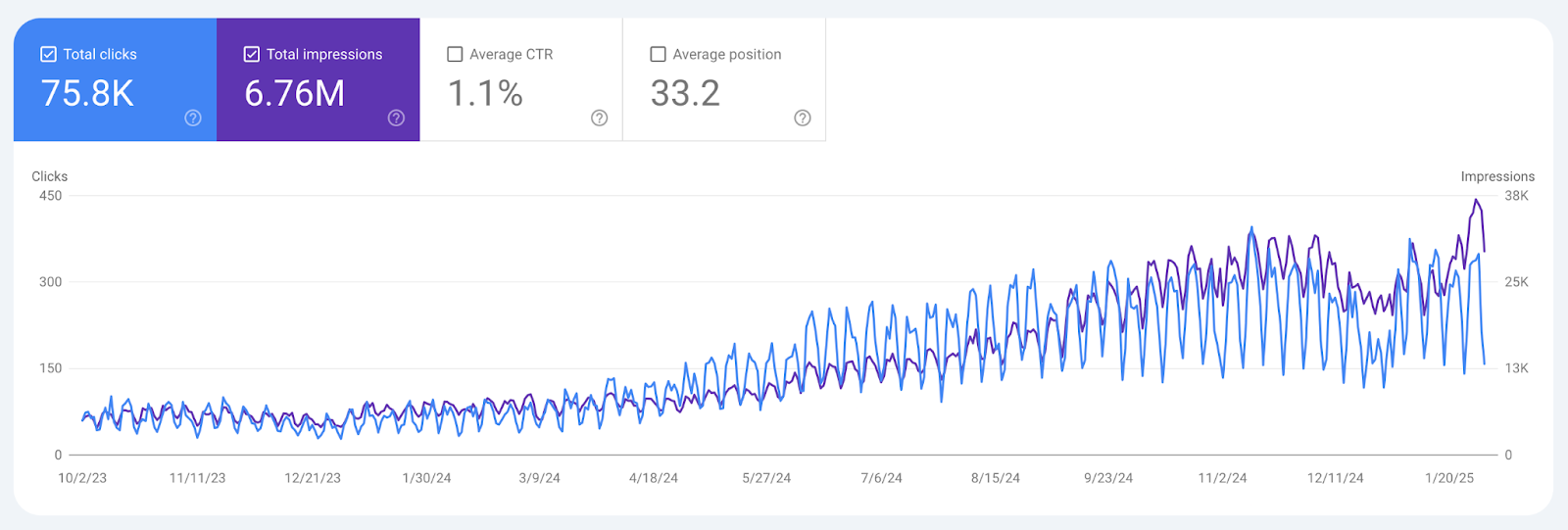
Read the full case study here.
B2B-Specific SEO Hacks and Tactical Edge
What we discussed was the fundamentals and pre-requisites for creating a B2B SEO strategy. If you want to punch above your weight in 2025, you’ll need to get tactical. Especially as AI continues to reshape how content gets discovered and evaluated.
Here are a few B2B-specific SEO plays that give you an unfair advantage:
1. Create Mid-Funnel, Product-Led Content
Forget surface-level explainers. B2B buyers want to see how your product solves their specific problem, without sitting through a demo.
Instead of “What is on-page SEO?”, write:
- “How to run an on-page audit in [Your Platform] using our real-time scoring system”
- “Why [Tool Name] cut technical SEO audit time by 60% for enterprise marketing teams”
This type of content captures high-intent buyers who are actively evaluating tools and want practical, hands-on context.
✅ Pro tip: Embed real screenshots, workflows, or Loom videos to boost time-on-page and clarity.
2. Use FAQ Schema for High-Intent Queries
Complex B2B purchases come with layered questions. Use structured FAQ schema to answer them directly in search and boost your chances of showing up in AI overviews, voice search, and Google’s “People Also Ask.”
Examples:
- “How long does HIPAA compliance take?”
- “Does this platform support GDPR-compliant data handling?”
FAQ schema not only improves your visibility but increases trust before a buyer ever lands on your site.
3. Prepare for AI-Native Discovery Channels
Google’s SGE (Search Generative Experience) is already surfacing content as AI summaries. Tools like Perplexity, ChatGPT, and Claude are beginning to cite web sources for commercial research queries.
To stay visible:
- Use semantic-rich HTML and structured data
- Write with clarity and authority to improve your odds of being referenced
- Track if your pages are showing up in AI-generated answers using platforms like AlsoAsked, SparkToro, or custom scraping tools
4. Integrate SEO with ABM and Gated Content
SEO doesn't have to sit in a silo. If you're running account-based marketing (ABM), align it with your SEO content funnel.
Here’s how:
- Add lead-gen forms to high-intent cluster pages
- Use gated templates, ROI calculators, or industry-specific benchmarks
- Retarget visitors via LinkedIn/X ads based on page visits or time-on-site
- Sync SEO landing pages with your ABM tech stack (like Demandbase or 6sense)
This approach helps you convert passive searchers into warm prospects without waiting for a sales rep to chase them down.
5. Prioritize Mobile & Voice Optimization
Roughly 80% of B2B buyers use mobile during their buying journey, especially in early discovery phases. If your content isn’t mobile-friendly or voice-optimized, you're already leaking conversions.
- Use conversational headers like “What’s the fastest way to audit a SaaS website?”
- Structure answers in 40–50 word blocks for featured snippet eligibility
- Test your page load speed on mobile
As generative search evolves, voice and AI agents prioritize content that is clear, structured, and intent-aligned.
Launch Your B2B SEO Campaign with Confidence
A successful B2B SEO strategy isn’t built overnight. But with the right steps, you will get compounding returns.
We talked about how to define your personas, find the right keywords, create highly useful content, technical SEO improvements and building links. Then track performance to see what’s working and what isn’t to make necessary adjustments.
When you do it consistently, SEO stops being a traffic channel. It becomes a pipeline driver.
Want help turning that strategy into execution?
Book a discovery call with GrowthOS and let us map out your next growth phase.

Taher Batterywala
Organic Growth Lead
Taher Batterywala is an SEO and Growth Content Marketer. With over 8 years of B2B marketing experience and a diversified skill set, he helps craft winning strategies and execute end-to-end campaigns for B2B and SaaS companies to achieve scalable organic growth. Outside of work, he enjoys watching movies, photography, and dabbling in design. You can find him on LinkedIn and X.

More insights
Get Growth Insights Delivered to Your Inbox
Join B2B marketers getting weekly strategy breakdowns on SEO, AI search, PPC, and YouTube—straight talk, no generic advice.
Oops! Something went wrong while submitting the form.




.svg)